
Blog Article
Post-Remediation Mold Inspection Planning for Burnaby and New Westminster
March 6, 2026 - 9 min read
How owners and managers can use follow-up inspection support after cleanup work is complete.
Treat the Follow-Up as a Handoff Point
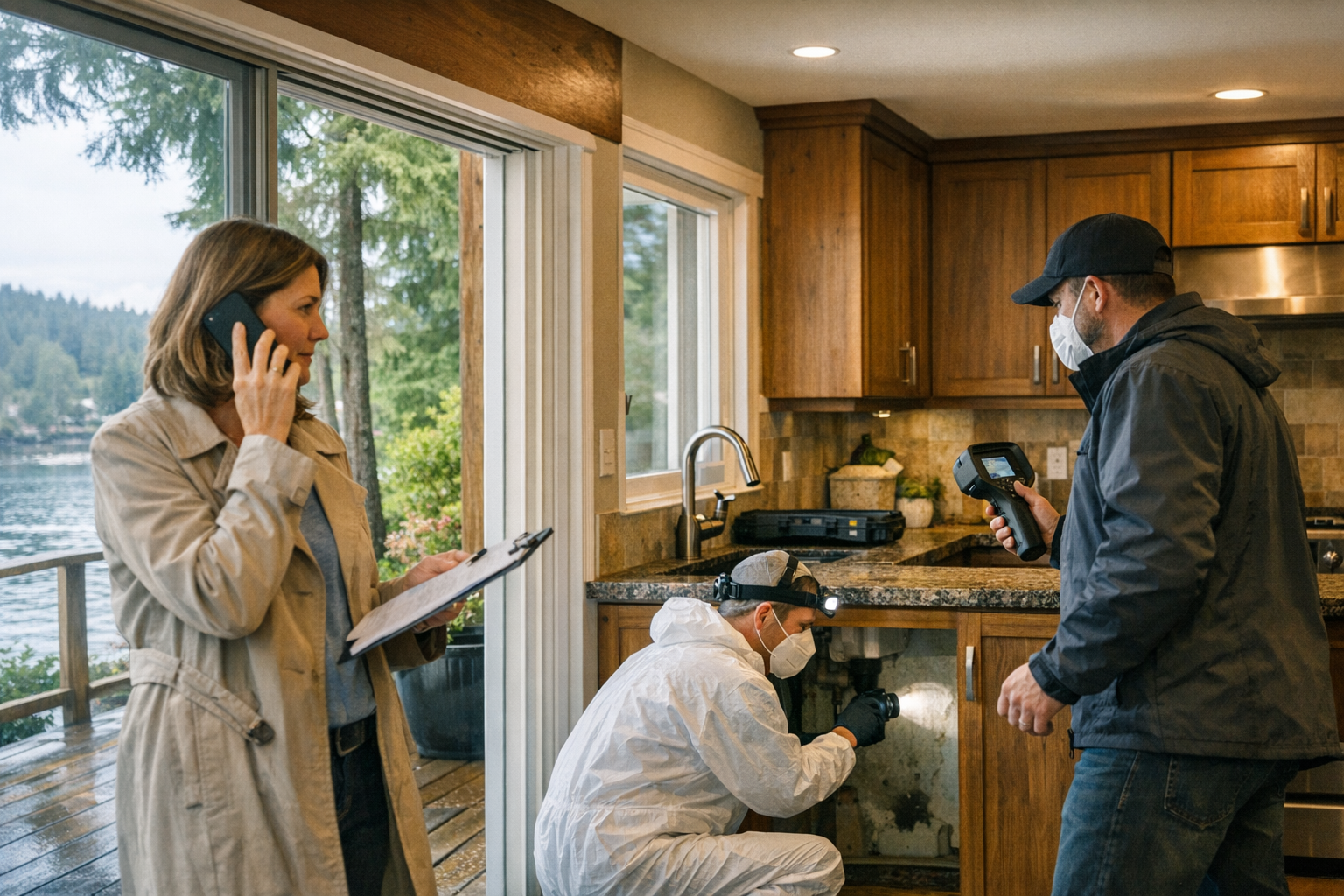
Once remediation is complete, owners still need a clean way to document current visible condition and decide whether more repair work is pending. A follow-up inspection is most useful when it functions as a handoff between remediation, repair, and the next occupancy or ownership decision.
Document What Was Actually Addressed
The value of follow-up reporting improves when the inspection can be read against the scope that was completed. If the cleanup contractor, owner, or manager can summarize what was removed, repaired, or left for later, the resulting inspection record becomes much more useful.
Look Beyond the Original Surface Area
A good follow-up does not only revisit the most visible original patch. It also checks whether the surrounding moisture context, ventilation conditions, or enclosure issues appear consistent with the work that was done. That broader view helps avoid false confidence.
Use the Report for File Clarity
Post-remediation records are often most valuable later, not on the inspection day itself. They help with tenant communication, property files, future buyers, or later contractor coordination when someone asks what the current condition looked like after the work was finished.
Aim for Clear Next Steps, Not Perfect Certainty
The strongest post-remediation follow-up gives owners a practical answer to the next question: is the area ready for normal use, does more repair work need to happen, or is additional specialist input still warranted? Clear next-step language is usually more valuable than overcomplicating the conclusion.
Related service areas
Featured service packages
Residential Mold Inspection
Owners or buyers who want clearer inspection findings before deciding on remediation or repairs
Moisture Source Investigation
Repeat moisture issues, recurring smells, or rooms where the same problem keeps returning